
Dental Crowns
Natural-looking dental crowns can repair badly broken, decayed, cracked, or worn teeth by covering and protecting the remaining tooth structure while restoring strength, function, and appearance.
When A Tooth Needs More Than A Filling
When cracks and cavities damage teeth, restorative dental work can save the day. Simple fillings are often enough to repair a tooth, but when the tooth is too damaged for a filling to hold it together, a dental crown may be the better solution.
At Collins Dentistry & Aesthetics, dental crowns are designed to protect, support, and beautify natural teeth. They can also complete a dental implant by replacing the visible part of a missing tooth.
Strength, Beauty, And The Right Material
Dental crowns can be made from several materials. The right choice depends on where the tooth is located, how much bite force it receives, cosmetic goals, budget, and long-term restorative needs.
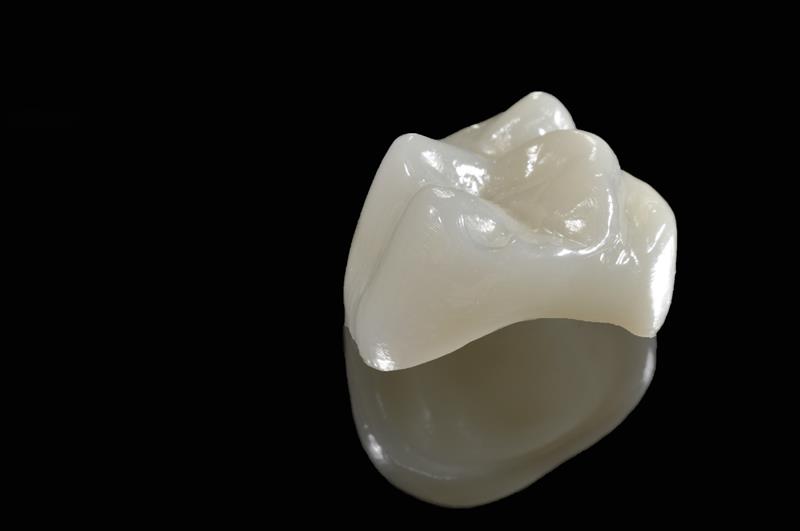
A Crown Should Look Like It Belongs There
Porcelain crowns are a popular choice because they can be customized to match the teeth surrounding the restoration. Your crown is molded and shaded so it can complement your natural smile instead of standing out.
For visible teeth, the goal is a crown that restores strength and protection while still feeling polished, balanced, and natural when you smile.
When Protection Matters, Coverage Matters
Collins Dentistry & Aesthetics offers full-coverage dental crowns because they provide strong, long-lasting support for teeth that need protection due to damage or decay. Full coverage means the entire visible tooth structure is covered by the crown.
From Damaged Tooth To Finished Restoration
Most traditional dental crown treatment is completed in two main visits after the consultation, with a temporary crown protecting the tooth while the final crown is created.
Restorative Care With Cosmetic Intention
Dental crowns should do more than repair a tooth. They should restore confidence, support a comfortable bite, and feel natural in daily life. Drs. Ken and Marnie Collins bring decades of Spokane dental experience to restorative and cosmetic treatment planning.
Answers Before You Begin
These answers help patients understand when crowns are used, how long they last, what the process involves, and how to care for them.
Which type of crown is most popular?
Porcelain and ceramic crowns are popular because they can be durable while closely matching the appearance of natural teeth. The best material depends on the tooth location, bite forces, cosmetic goals, and your dentist’s recommendation.
What does a dental crown do?
A dental crown covers a damaged, weak, worn, broken, or heavily restored tooth to help restore shape, strength, appearance, and chewing function. Crowns can also be used on dental implants or to support a dental bridge.
When do I need a crown instead of a filling?
A filling may work for smaller areas of damage. A crown may be recommended when a tooth has too much decay, fracture risk, wear, or missing structure for a filling to hold predictably.
How long do dental crowns last?
Dental crowns often last 10 to 15 years with proper care, and some last longer. Lifespan depends on material, fit, oral hygiene, bite forces, grinding or clenching, and regular dental visits.
Are dental crowns noticeable?
Modern porcelain and ceramic crowns can be designed to match the shade and shape of surrounding teeth, making them look very natural when planned carefully.
What is the procedure for getting a dental crown?
The crown process usually involves preparing the tooth, taking impressions or scans, placing a temporary crown, and then fitting and cementing the final crown at a second visit.
Can a crowned tooth get cavities?
Yes. The crown itself cannot decay, but the natural tooth underneath can still develop decay near the margin if plaque builds up. Brushing, flossing, and regular cleanings are important.
Is crown placement painful?
The crown procedure is typically performed with local anesthesia for comfort. Some temporary sensitivity or gum tenderness may happen after preparation or placement, but it should improve.
How should I care for my dental crown?
Brush twice daily, floss around the crown, keep regular dental cleanings, avoid chewing ice or very hard objects, and tell your dentist if the crown feels loose, chipped, sharp, or uncomfortable.
Can a dental crown be replaced?
Yes. If a crown becomes worn, damaged, loose, poorly fitting, or no longer looks the way you want, your dentist can evaluate whether replacement is appropriate.
Credible Crown Education
Ready To Protect Your Tooth And Restore Your Smile?
Schedule a dental crown consultation with Collins Dentistry & Aesthetics in Spokane or Spokane Valley and find out which restoration option fits your tooth, bite, and smile goals.