
Root Canal Treatment
Root canals have an outdated reputation. Modern root canal therapy is designed to relieve pain, remove infection, and help save your natural tooth. At Collins Dentistry & Aesthetics, Drs. Ken and Marnie Collins provide precise, comfortable root canal care for patients in Spokane and Spokane Valley.
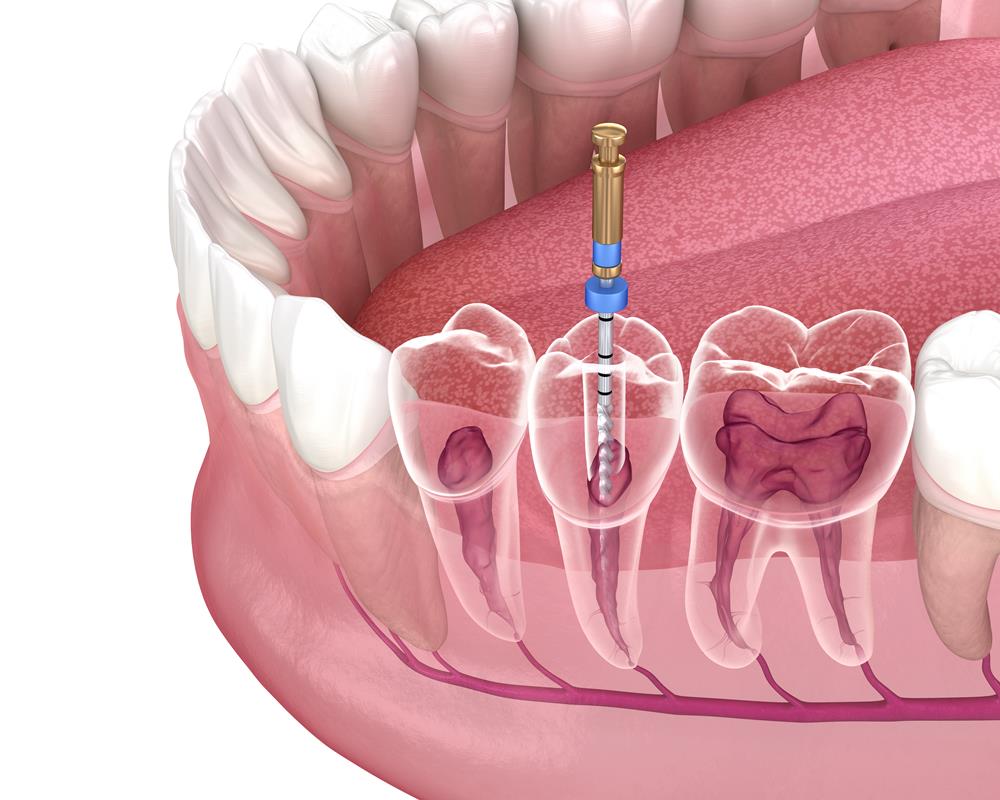
A Root Canal Is Often The Alternative To Losing The Tooth
In dentistry, root canals have a bad reputation, but that reputation is undeserved. When the pulp inside a tooth becomes infected or inflamed, root canal therapy can remove the infected tissue, disinfect the inside of the tooth, and protect the tooth with a restoration.
If you have an infected tooth, you may already be feeling more daily pain than you are likely to feel during treatment. The goal is to stop the infection, relieve pain, and preserve your natural smile whenever possible.
Do Not Ignore Tooth Pain That Keeps Getting Worse
A cavity, crack, trauma, or repeated dental work can allow bacteria to reach the pulp inside the tooth. When infection develops, the symptoms can become intense and may spread beyond the tooth.
A Careful Way To Clean, Seal, And Restore The Tooth
A root canal removes the inflamed or infected pulp from inside the tooth. The tooth is then cleaned, disinfected, filled, and sealed. In many cases, the tooth is later protected with a dental crown or final restoration so it can continue functioning.
The goal is not to “kill” the tooth. The goal is to remove infection, relieve pain, protect the remaining tooth structure, and preserve your natural tooth whenever possible.
What Happens During Treatment
Root canal treatment is typically completed in one or two appointments depending on the tooth, the infection, and the final restoration needed.
The Restoration Matters As Much As The Root Canal
After a root canal, the tooth often needs a high-quality restoration to protect it from fracture and restore comfortable chewing. Collins Dentistry & Aesthetics focuses on the appearance, strength, and bite fit of the final crown or filling.
Because Drs. Ken and Marnie Collins are trained in neuromuscular dentistry, they consider how your crown fits into your overall bite. A restoration should not create jaw discomfort, uneven pressure, or muscle tension.
Protect The Tooth While It Heals
Most patients can return to normal daily activities quickly, but the treated tooth may feel sensitive for a few days. Follow the aftercare instructions from your dentist, especially until the permanent restoration is placed.
Wait Until Numbness Fades
Avoid chewing until the anesthetic wears off so you do not accidentally bite your cheek, lip, or tongue.
Choose Soft Foods
Soft foods such as pasta, mashed potatoes, smoothies, yogurt, eggs, and cottage cheese can be easier during early healing.
Avoid Hard Foods
Do not chew hard, crunchy, sticky, or chewy foods on the treated tooth until your dentist confirms it is protected.
Keep It Clean
Brush gently, floss daily, and follow any mouth rinse or medication instructions provided by your dentist.
Protect With A Crown
Do not skip the final restoration. A crown may be needed to reduce fracture risk and restore bite strength.
Call If Pain Persists
Call the office if pain worsens, swelling develops, your bite feels high, or discomfort does not improve as expected.
Saving The Tooth Is Usually The First Goal
When a tooth can be saved, root canal therapy is often preferred because it preserves the natural tooth. If a tooth cannot be predictably saved, your dentist can discuss replacement options.
Extraction
Removing the tooth may be necessary if the infection, fracture, or structural damage is too severe for root canal treatment.
Dental Implant
An implant can replace a missing tooth after extraction, but it requires surgery, healing time, and a crown restoration.
Explore ImplantsDental Bridge
A bridge can replace a missing tooth by anchoring an artificial tooth to neighboring teeth.
Explore BridgesPartial Denture
A removable partial denture can replace one or more missing teeth, but it may not feel as natural as fixed options.
Explore DenturesRetreatment
If a previously treated tooth becomes painful or infected again, retreatment may be considered before extraction.
Early Treatment
The sooner you treat an infected tooth, the more options you usually have to preserve the tooth and avoid complications.
Comfortable Care From A Spokane Team With Decades Of Experience
Collins Dentistry & Aesthetics has served the Spokane area for more than 25 years. Dr. Ken Collins and Dr. Marnie Collins combine clinical experience, cosmetic detail, restorative precision, and neuromuscular bite planning so your tooth is not only treated, but restored thoughtfully.
The practice has earned Spokane’s Best Dentist/Cosmetic Dentist recognition for six consecutive years, and the team is known for helping patients feel informed, comfortable, and cared for from diagnosis through final restoration.
Answers Before Treatment
These answers help patients understand comfort, recovery, aftercare, crowns, alternatives, and why delaying treatment can create bigger problems.
What is a root canal?
A root canal is a dental procedure that removes infected or inflamed pulp from inside the tooth. The inside of the tooth is cleaned, disinfected, filled, sealed, and usually restored with a crown or filling.
Do root canals hurt?
Modern root canal therapy is performed with local anesthesia and is usually far more comfortable than its reputation suggests. Many patients feel more pain from the infection before treatment than they do during the procedure.
How do I know if I need a root canal?
Possible signs include severe tooth pain, lingering sensitivity to hot or cold, pain when biting, swollen gums, a pimple-like sore on the gums, tooth discoloration, bad taste, bad breath, or swelling near the tooth.
How long does a root canal take?
Many root canal appointments take about 60 to 90 minutes, but timing depends on the tooth, number of canals, infection severity, and whether treatment is completed in one visit or multiple visits.
How long is recovery after a root canal?
Some soreness or sensitivity for a few days can be normal. Many patients return to normal daily activity quickly. Call the office if pain worsens, swelling appears, or discomfort does not improve as expected.
What should I avoid after a root canal?
Avoid chewing on the treated tooth until numbness has faded and your dentist says it is safe. Until the permanent crown or final restoration is placed, avoid hard, crunchy, sticky, chewy, spicy, or extremely hot foods on that side.
Will I need a crown after a root canal?
Many back teeth and structurally weakened teeth need a crown after root canal therapy to protect the remaining tooth from fracture and restore comfortable chewing. Your dentist will explain whether a crown is recommended for your tooth.
How long does a root canal last?
With proper care and a protective restoration, many root canal-treated teeth can last for many years and sometimes a lifetime. Longevity depends on the tooth, restoration quality, bite forces, oral hygiene, and regular dental care.
Can a dentist perform a root canal through an existing crown?
Yes, in some cases a root canal can be performed through an existing crown by creating a small access opening. If the crown is damaged, leaking, or no longer fits well, your dentist may recommend replacing it after treatment.
What happens if I delay a recommended root canal?
The infection may worsen, spread, form an abscess, damage bone, increase pain, or make the tooth impossible to save. In rare cases, dental infections can spread beyond the mouth and become serious.
Are there alternatives to root canal therapy?
The main alternative is extraction. If the tooth is removed, it may need to be replaced with a dental implant, bridge, or partial denture to restore chewing function and prevent shifting.
Where can I get root canal treatment in Spokane?
Collins Dentistry & Aesthetics provides root canal treatment for patients in Spokane, Spokane Valley, South Hill, Veradale, Liberty Lake, and surrounding Spokane County communities.
Credible Root Canal Education
Do Not Wait On An Infected Tooth
If you think you need a root canal, schedule with Collins Dentistry & Aesthetics in Spokane or Spokane Valley. Our team can evaluate the tooth, relieve pain, and help you understand the best path to save your smile.