
TMJ Treatment
If headaches, jaw pain, facial tension, clenching, grinding, ear symptoms, or a bite that feels “off” keep coming back, the problem may involve the temporomandibular joints and the muscles that control jaw movement. Drs. Ken and Marnie Collins provide TMJ/TMD evaluation and neuromuscular treatment planning for patients in Spokane and Spokane Valley.
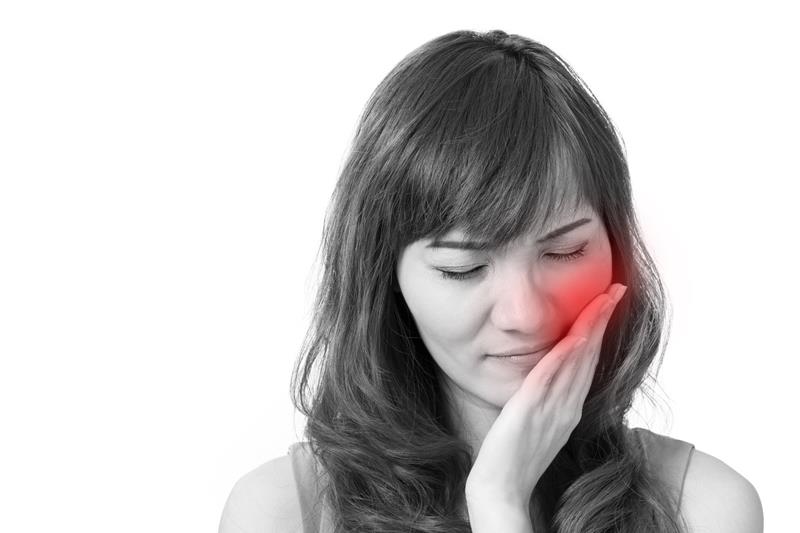
TMJ Pain Can Feel Like More Than Jaw Pain
TMJ is often used to describe temporomandibular disorders, or TMDs, which can affect the jaw joints, chewing muscles, bite, and surrounding structures. Because the jaw is connected to the head, neck, ears, teeth, and facial muscles, symptoms can show up in places that do not immediately seem dental.
At Collins Dentistry & Aesthetics, Drs. Ken and Marnie Collins use neuromuscular dentistry, bite analysis, muscle evaluation, and advanced clinical records to understand whether your pain may be connected to jaw position, muscle tension, clenching, grinding, or an imbalanced bite.
The Same Joint Can Create Different Symptoms In Different People
TMJ/TMD symptoms are not identical for every patient. Some people have obvious jaw pain, while others notice headaches, ear symptoms, tooth wear, neck tension, or clenching first.
There Is Not Always One Simple Cause
TMJ disorders can be complex. For some patients, symptoms may be connected to jaw trauma, stress, clenching, grinding, posture, arthritis, inflammation, muscle strain, dental work, airway-related issues, or congenital joint differences. For others, the exact cause is not clear.
The goal at Collins Dentistry & Aesthetics is not to guess. The goal is to collect better information, evaluate how your bite and jaw muscles are functioning, and determine whether dental TMJ treatment may help your specific symptoms.
Scientific Data, Clinical Exam, And Symptom Mapping
There is not one single standard test that diagnoses every TMD case. A thorough evaluation may include symptoms, medical history, dental history, jaw movement, bite, tooth wear, muscle tenderness, joint sounds, imaging when needed, and ruling out non-dental causes.
Treatment Should Match The Diagnosis
TMJ treatment at Collins Dentistry & Aesthetics starts with understanding what is contributing to your symptoms. If the muscles are never truly at rest, the jaw system may stay overloaded, creating pain, headaches, tooth wear, and bite instability.
After evaluation, Drs. Ken and Marnie Collins may recommend a plan to relax muscles, stabilize the bite, protect teeth, reduce clenching forces, improve jaw comfort, and support long-term function.
TMJ Treatment Options In Spokane
When the jaw muscles identify a more comfortable rest position, the next step is determining how to support that position. Treatment may be conservative, appliance-based, restorative, or a combination depending on the diagnosis, severity, tooth condition, and patient goals.
Coronoplasty
Conservative reshaping of select biting surfaces may be used to refine how teeth come together when minor bite interferences are contributing to symptoms.
Neuromuscular Orthotic
A custom bite splint may help support a more relaxed jaw position, reduce muscle strain, and protect teeth from clenching or grinding forces.
Full Mouth Reconstruction
When severe wear, bite collapse, broken restorations, or widespread damage is present, crowns and veneers may be used to rebuild function and appearance.
Explore ReconstructionHeadache Care
When jaw muscle tension contributes to headache patterns, treatment may focus on reducing bite strain, muscle overload, and clenching triggers.
Explore Headache TreatmentNeuromuscular Dentistry
Neuromuscular dentistry evaluates the relationship between the teeth, jaw joints, muscles, tendons, nerves, and bite position.
Explore Neuromuscular CareRestorative Protection
Cracked teeth, worn enamel, failing crowns, and broken veneers can be addressed with a bite-focused plan designed for better comfort and longevity.
Explore CrownsA Visual Look At Bite Positioning
A neuromuscular orthotic may be used to support a more balanced jaw position. Your actual treatment plan depends on the diagnosis, bite records, tooth condition, symptoms, and long-term goals.
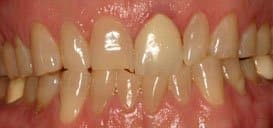 Before
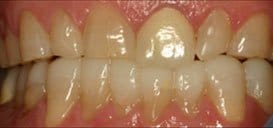 Orthotic
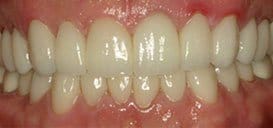 After
After
Small Habits Can Reduce Jaw Load
At-home support does not replace a professional TMJ evaluation, but it can help reduce unnecessary strain while you are being assessed and treated.
Rest The Jaw
Avoid gum chewing, nail biting, pencil chewing, hard foods, chewy foods, and wide opening when symptoms are active.
Soft Foods
Soft meals can reduce pressure on painful joints and muscles during a flare-up.
Heat Or Cold
Moist heat or cold packs may help ease sore muscles and inflammation depending on your symptoms.
Stress Control
Relaxation, breathing, stretching, exercise, and better sleep can reduce clenching triggers for some patients.
Posture Breaks
Forward-head posture and screen time can strain the neck and jaw. Reset your posture often.
Symptom Journal
Track pain timing, chewing triggers, stress, sleep, clenching, headaches, ear symptoms, and jaw locking before your visit.
TMJ Care With Neuromuscular Training And Restorative Precision
Drs. Ken and Marnie Collins have more than 25 years of experience serving Spokane and Spokane Valley. Their approach to TMJ treatment combines neuromuscular dentistry, restorative expertise, cosmetic detail, and advanced bite evaluation.
Both doctors have completed extensive training through the Las Vegas Institute, including neuromuscular and TMJ dentistry. Their goal is to help patients understand the source of their pain and create a treatment plan that respects comfort, function, appearance, and long-term stability.
Answers Before Your Consultation
These answers help patients understand TMJ symptoms, diagnosis, K7 evaluation, TENS, bite splints, neuromuscular orthotics, and treatment planning.
What is TMJ or TMD?
TMJ refers to the temporomandibular joint. TMD refers to temporomandibular disorders, a group of conditions that can affect the jaw joints, chewing muscles, bite, and related structures.
What are common TMJ symptoms?
Common symptoms can include jaw pain, clicking, popping, grinding sounds, limited opening, jaw locking, headaches, earaches, ear fullness, tinnitus, dizziness, neck pain, facial pain, clenching, grinding, tooth wear, and a bite that feels off.
Does jaw clicking always need treatment?
No. Jaw clicking or popping without pain or limited movement can be common and may not need treatment. Clicking with pain, locking, stiffness, or bite changes should be evaluated.
How do I know if TMJ is causing my headaches?
A TMJ evaluation can help determine whether your headaches may be related to jaw muscle tension, clenching, grinding, bite strain, or referred pain from the jaw system.
What causes TMJ problems?
TMJ symptoms can be connected to trauma, stress, clenching, grinding, posture, arthritis, muscle strain, joint problems, dental history, or habits such as chewing gum or nail biting. In many cases, the cause is not simple or obvious.
What is a K7 evaluation?
The K7 evaluation system helps gather clinical data about jaw movement, bite position, and muscle activity. It helps Drs. Ken and Marnie Collins understand how your jaw system is functioning.
What does TENS do for TMJ?
TENS uses gentle electrical impulses to help relax overworked jaw muscles. At Collins Dentistry & Aesthetics, TENS may be used during the evaluation process to help identify a more comfortable jaw position.
What is a neuromuscular orthotic?
A neuromuscular orthotic is a custom bite appliance designed to support the jaw in a more balanced position. It may be used for select patients with TMJ symptoms, clenching, grinding, muscle tension, or bite strain.
Will TMJ treatment permanently change my bite?
Not always. Many plans begin with conservative or reversible care. Permanent bite changes, tooth reshaping, restorative changes, or full mouth reconstruction should only be considered after a detailed diagnosis and discussion of benefits, risks, and alternatives.
Can TMJ treatment help tooth damage from grinding?
TMJ treatment may help protect teeth from ongoing overload when clenching or grinding is part of the problem. Cracked, worn, or damaged teeth may also need crowns, veneers, or restorative treatment.
Can TMJ cause ear symptoms?
TMJ disorders can be associated with earache, ear fullness, ringing in the ears, hearing changes, or dizziness in some patients. Ear symptoms should also be evaluated by a medical provider when appropriate.
Where can I get TMJ treatment in Spokane?
Collins Dentistry & Aesthetics provides TMJ treatment consultations for patients in Spokane, Spokane Valley, South Hill, Veradale, Liberty Lake, and surrounding Spokane County communities.
Credible TMJ & Jaw Pain Education
Ready To Find Out If TMJ Is Behind Your Pain?
Schedule a TMJ consultation with Collins Dentistry & Aesthetics in Spokane or Spokane Valley. Drs. Ken and Marnie Collins can evaluate your jaw, bite, muscles, symptoms, and treatment options.