
Sleep Apnea & Snoring Appliances
Restless nights, loud snoring, morning headaches, and daytime fatigue can affect your health, mood, energy, and relationships. Collins Dentistry & Aesthetics provides custom oral appliances for patients with physician-diagnosed mild to moderate obstructive sleep apnea, primary snoring, or CPAP intolerance.
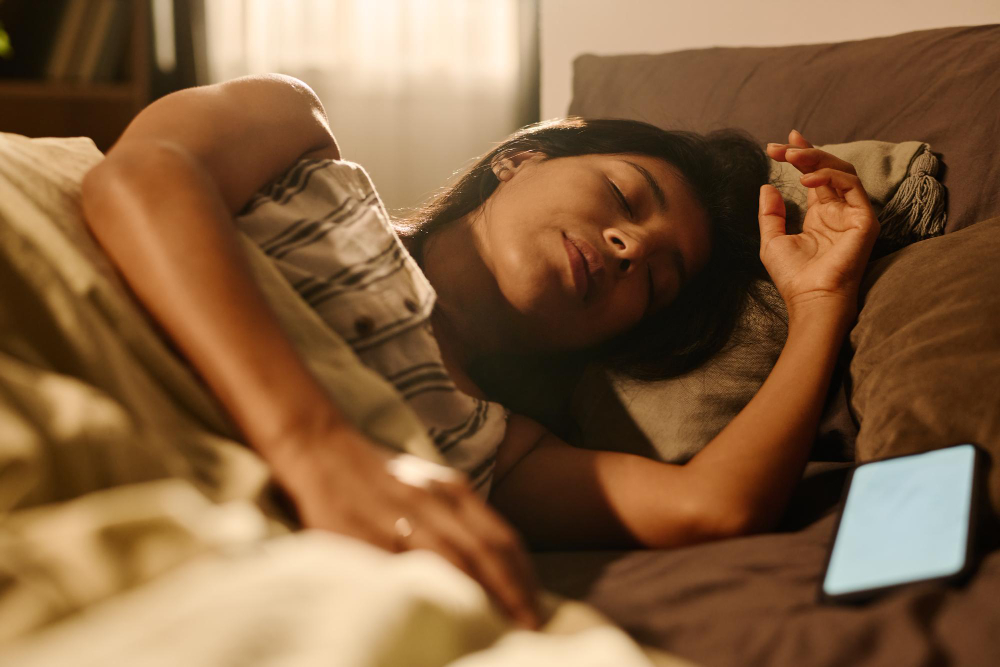
When Breathing Stops And Starts During Sleep
Sleep apnea is a sleep-related breathing disorder where breathing repeatedly stops and starts throughout the night. The most common type is obstructive sleep apnea, which happens when the upper airway becomes blocked or narrowed during sleep.
For many patients, the signs show up as loud snoring, gasping, choking, restless sleep, morning headaches, dry mouth, irritability, trouble focusing, and excessive daytime fatigue. Untreated sleep apnea can also increase the risk of serious health issues, which is why diagnosis and consistent treatment matter.
Sleep Apnea Is Not Always Obvious To The Person Who Has It
Many people only learn they may have sleep apnea because a partner hears the snoring, gasping, or pauses in breathing. Others notice the daytime effects first: exhaustion, irritability, poor focus, or morning headaches.
Small Device. Big Difference In Airway Support.
Oral appliances are custom-made devices worn in the mouth during sleep. Most sleep apnea appliances work by gently supporting the lower jaw in a forward position, helping reduce the chance that the tongue and soft tissues collapse backward and block the airway.
Unlike CPAP, oral appliances do not require a mask, hose, motor, electricity, or machine noise. They are compact, travel-friendly, and often easier for patients to tolerate when CPAP has not worked well for them.
A More Comfortable Way To Stay Consistent
The best sleep apnea treatment is the one that is medically appropriate and used consistently. For many patients who cannot tolerate CPAP, a custom oral appliance can make nightly treatment feel simpler.
Improved Sleep Quality
By helping keep the airway open, oral appliances can reduce interruptions and support more restorative sleep for appropriate patients.
Comfort & Convenience
Custom appliances are small, smooth, and made to fit your mouth without a mask, hose, or bedside machine.
Non-Invasive
Oral appliance therapy is reversible, non-surgical, and adjusted over time based on comfort and clinical response.
Travel-Friendly
The appliance fits in a small case and does not require electricity, distilled water, tubing, or a full CPAP setup.
Partner-Friendly
Reducing snoring and breathing disruption can help both the patient and their partner sleep more peacefully.
Health Support
Treating sleep apnea can support energy, focus, mood, cardiovascular health, and overall quality of life.
Oral Appliances Are Not One-Size-Fits-All
Collins Dentistry & Aesthetics works with patients who have been diagnosed with sleep apnea or who need referral for sleep evaluation. A sleep study and physician diagnosis are important before choosing the right treatment.
Mild To Moderate OSA
Oral appliances are commonly used for appropriate patients with mild to moderate obstructive sleep apnea.
CPAP Intolerance
Patients who cannot tolerate CPAP or do not want to use CPAP may be considered for oral appliance therapy.
Primary Snoring
Some patients who snore without obstructive sleep apnea may benefit from a custom appliance after proper evaluation.
Healthy Teeth & Gums
The appliance needs stable teeth, healthy gums, and enough tooth support to hold the device comfortably.
Jaw Comfort
Patients with TMJ symptoms, jaw pain, or bite issues may need careful evaluation before appliance therapy.
Explore TMJ CareMedical Collaboration
Sleep apnea care works best when your dentist, physician, and sleep medicine provider communicate clearly.
From Sleep Study To Custom Appliance
Your care begins with diagnosis and ends with ongoing monitoring. The appliance must fit well, feel comfortable, and be adjusted carefully for airway support.
Nightly Use Matters
An oral appliance only works when it is worn. Consistent use, routine cleaning, and follow-up appointments help keep treatment comfortable and effective.
Wear It Nightly
Use the appliance exactly as directed whenever you sleep, including naps if your provider recommends it.
Clean It Daily
Brush and rinse the appliance according to instructions so buildup, odor, and bacteria are controlled.
Store It Safely
Keep the appliance in its case when not in use and away from heat, pets, and accidental damage.
Protect Your Bite
Follow-up visits help monitor bite changes, tooth movement, appliance wear, and jaw comfort over time.
Report Soreness
Jaw soreness, tooth pressure, bite changes, or appliance discomfort should be adjusted, not ignored.
Keep Dental Visits
Healthy teeth and gums are important because the appliance relies on stable dental support.
Explore CleaningsDental Sleep Care With A Bite-Focused Eye
Sleep apnea appliances sit on the teeth, affect the jaw position, and require careful bite monitoring. Collins Dentistry & Aesthetics brings decades of restorative, cosmetic, family, and neuromuscular dental experience to oral appliance therapy.
Drs. Ken and Marnie Collins evaluate the teeth, gums, TMJ, bite, airway-related symptoms, and appliance fit so treatment is comfortable, practical, and coordinated with your medical provider.
Answers Before Treatment
These answers help patients understand sleep apnea, oral appliances, diagnosis, CPAP alternatives, follow-up care, and when to involve a medical provider.
What is obstructive sleep apnea?
Obstructive sleep apnea is a sleep-related breathing disorder where the upper airway repeatedly becomes blocked or narrowed during sleep. This can cause snoring, gasping, breathing pauses, fragmented sleep, and daytime fatigue.
Can a dentist diagnose sleep apnea?
No. Sleep apnea is diagnosed by a medical provider, often after a sleep study. A dentist can screen for signs, discuss symptoms, and provide a custom oral appliance when it is medically appropriate.
How does an oral appliance help sleep apnea?
A custom oral appliance gently supports the lower jaw and tongue forward while you sleep. This can help reduce airway collapse and improve airflow for appropriate patients.
Is an oral appliance better than CPAP?
CPAP is often the first-line treatment for many patients with obstructive sleep apnea, especially more severe cases. Oral appliances may be appropriate for mild to moderate obstructive sleep apnea, primary snoring, or patients who cannot tolerate CPAP.
Who is a good candidate for an oral appliance?
Good candidates may include patients with physician-diagnosed mild to moderate obstructive sleep apnea, primary snoring, or CPAP intolerance. The teeth, gums, jaw joints, and bite also need to be evaluated before treatment.
Will an oral appliance stop snoring?
Many patients experience reduced snoring with a properly fitted oral appliance. Snoring should still be evaluated because it can be a sign of obstructive sleep apnea.
Is the appliance comfortable?
Custom appliances are designed to fit your mouth and are typically smaller and easier to travel with than CPAP equipment. Some temporary jaw or tooth soreness can occur and should be discussed during follow-up visits.
How long does it take to get a sleep apnea appliance?
Timing depends on diagnosis, consultation, impressions or scans, lab fabrication, fitting, and follow-up adjustments. Your dental team will provide a timeline after your evaluation.
Can oral appliance therapy affect my bite?
Yes, appliance therapy can sometimes create tooth movement, bite changes, or jaw soreness over time. Regular follow-up visits are important to monitor fit, comfort, and bite stability.
Do I still need follow-up with my sleep doctor?
Yes. Your sleep provider may recommend follow-up testing or ongoing medical review to confirm whether the appliance is adequately controlling your sleep apnea.
Where can I get sleep apnea oral appliance therapy in Spokane?
Collins Dentistry & Aesthetics provides custom sleep apnea and snoring appliance consultations for patients in Spokane, Spokane Valley, South Hill, Veradale, Liberty Lake, and surrounding Spokane County communities.
Credible Sleep Apnea Education
Ready To Sleep Better Without A Mask?
Schedule a sleep apnea oral appliance consultation with Collins Dentistry & Aesthetics in Spokane or Spokane Valley. Our team can evaluate your teeth, bite, jaw comfort, and physician diagnosis to determine whether a custom appliance may be right for you.