
Gum Disease Treatment
Gum disease can be quiet at first, but it can affect the gums, bone, teeth, bite, and long-term oral health. Collins Dentistry & Aesthetics helps patients in Spokane and Spokane Valley identify, manage, and treat gum disease with early intervention and personalized periodontal care.
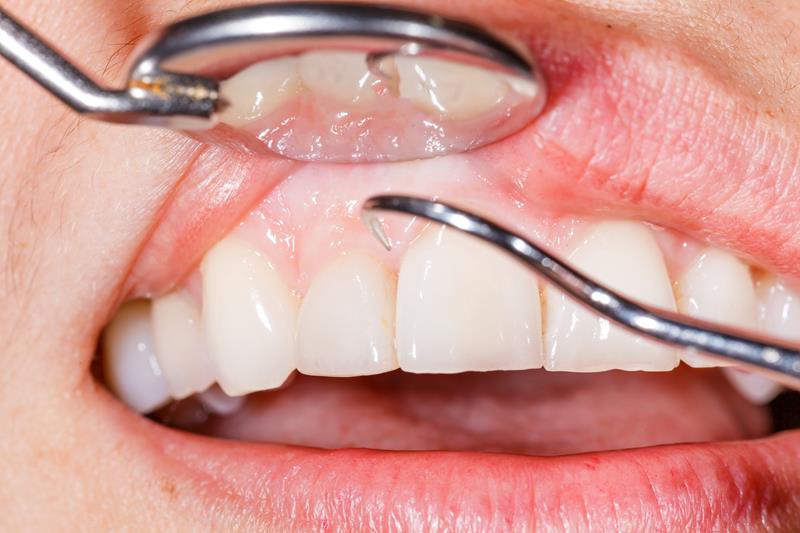
Your Gums Are The Foundation Of Your Smile
Gum disease is one of the most common oral health conditions in the United States, and many people do not realize they have it until the condition has already progressed. Redness, bleeding, swelling, bad breath, gum recession, and loose teeth are all signs that your gums need attention.
At Collins Dentistry & Aesthetics, Dr. Ken Collins and Dr. Marnie Collins bring decades of experience to gum disease care. Our goal is to identify the stage of disease, control infection and inflammation, preserve teeth, and help you maintain healthier gums long-term.
Plaque, Bacteria, And Inflammation
Gum disease often begins when plaque collects along the gumline. When plaque is not removed, it can harden into tartar, irritate the gums, and allow bacteria to move into deeper spaces between the teeth and gums.
Two Stages, Two Different Levels Of Risk
Gingivitis and periodontitis are both forms of gum disease, but they are not the same. The earlier inflammation is treated, the better the chance of preventing more serious damage.
Gingivitis
Gingivitis is the earliest stage of gum disease. The gums may be red, swollen, tender, or bleed easily during brushing or flossing. At this stage, the inflammation affects the gum tissue and is often reversible with improved home care and professional dental cleaning.
Because gingivitis may not be painful, many patients do not realize it is present until a dental exam or cleaning.
Periodontitis
Periodontitis is more advanced and can involve gum recession, deep periodontal pockets, bone loss, loose teeth, painful chewing, bite changes, and tooth loss. It cannot be reversed in the same way as gingivitis, but it can often be slowed and managed with professional treatment.
Periodontal treatment is focused on reducing bacteria, controlling inflammation, protecting supporting bone, and maintaining healthier gums long-term.
Gum Disease Affects More Than Your Teeth
Gum disease is a chronic inflammatory condition. Research is ongoing into links between periodontal disease and overall health, and some studies show associations with systemic conditions. Treating gum disease is an important part of protecting oral health and supporting overall wellness.
The Right Care Depends On The Stage
Gingivitis may be managed with stronger home care and professional cleaning. More advanced periodontal disease may require deeper treatment to remove bacteria and tartar below the gumline and reduce infection in periodontal pockets.
Gum Care With Decades Of Experience
Collins Dentistry & Aesthetics provides comprehensive gum disease care backed by more than 25 years of experience. Drs. Ken and Marnie Collins are graduates of the Las Vegas Institute for Advanced Dental Studies and have spent decades helping Spokane patients protect their teeth, gums, bite, and overall oral health.
From routine cleanings to periodontal maintenance, scaling and root planing, antibiotic therapy, laser therapy, and referral when needed, the team creates a plan around your stage of gum disease and your long-term health.
Answers Before Treatment
These answers help patients understand symptoms, treatment options, LANAP®, diabetes risk, preventive care, and maintenance visits.
What is gum disease?
Gum disease is inflammation or infection of the tissues that support the teeth. It is often caused by plaque and bacteria along the gumline. If untreated, it can progress from gingivitis to periodontitis and may contribute to gum recession, bone loss, loose teeth, and tooth loss.
What is the difference between gingivitis and periodontitis?
Gingivitis is the early stage of gum disease and usually affects the gum tissue only. It is often reversible with professional cleaning and improved home care. Periodontitis is more advanced and can damage the bone and tissues that support the teeth.
What are the signs of gum disease?
Warning signs can include bleeding gums, red or swollen gums, tenderness, persistent bad breath, gum recession, loose teeth, sensitive teeth, painful chewing, bite changes, or a change in how partial dentures fit.
Is LANAP® laser treatment more effective than traditional methods?
LANAP® may be a less invasive option for certain periodontal cases and may reduce bleeding, swelling, and downtime compared with traditional surgery. The right treatment depends on your gum disease severity, pocket depths, bone support, and clinical evaluation.
How often should I get dental cleanings to prevent gum disease?
Many patients do well with cleanings about every six months. Patients with a history of gum disease, smokers, people with diabetes, or higher-risk patients may need periodontal maintenance every three to four months.
What is the link between gum disease and diabetes?
Diabetes can increase the risk of gum disease, and gum inflammation may make blood sugar control more difficult for some patients. People with diabetes should keep regular dental visits and maintain careful home hygiene.
What are preventive oral care tips for high-risk patients?
Brush twice daily with fluoride toothpaste, clean between teeth daily, keep regular dental visits, avoid tobacco, limit sugary foods and drinks, manage diabetes or other chronic conditions with your medical provider, and tell your dentist about medications or health changes.
Can gum disease be cured?
Gingivitis can often be reversed. Periodontitis cannot always be reversed because bone and attachment loss may be permanent, but it can often be slowed, controlled, and maintained with professional treatment and consistent home care.
Does scaling and root planing hurt?
Scaling and root planing can usually be completed with comfort measures such as local anesthesia when needed. Some tenderness or sensitivity afterward is possible, but it typically improves as the gums begin healing.
When should I see a periodontist?
A periodontist may be recommended for advanced gum disease, significant bone loss, complex periodontal surgery, implant-related gum concerns, or cases that need specialized treatment beyond routine periodontal maintenance.
Where can I get gum disease treatment in Spokane?
Collins Dentistry & Aesthetics provides gum disease treatment for patients in Spokane, Spokane Valley, South Hill, Veradale, Liberty Lake, and surrounding Spokane County communities.
Credible Gum Disease Education
Do Not Give Gum Disease Time To Progress
Schedule gum disease treatment with Collins Dentistry & Aesthetics in Spokane or Spokane Valley. Our team will help you understand your gum health, choose the right treatment path, and protect your smile for the long term.